Cheese Pizza for Game Day: Crowd-Pleasing Ideas

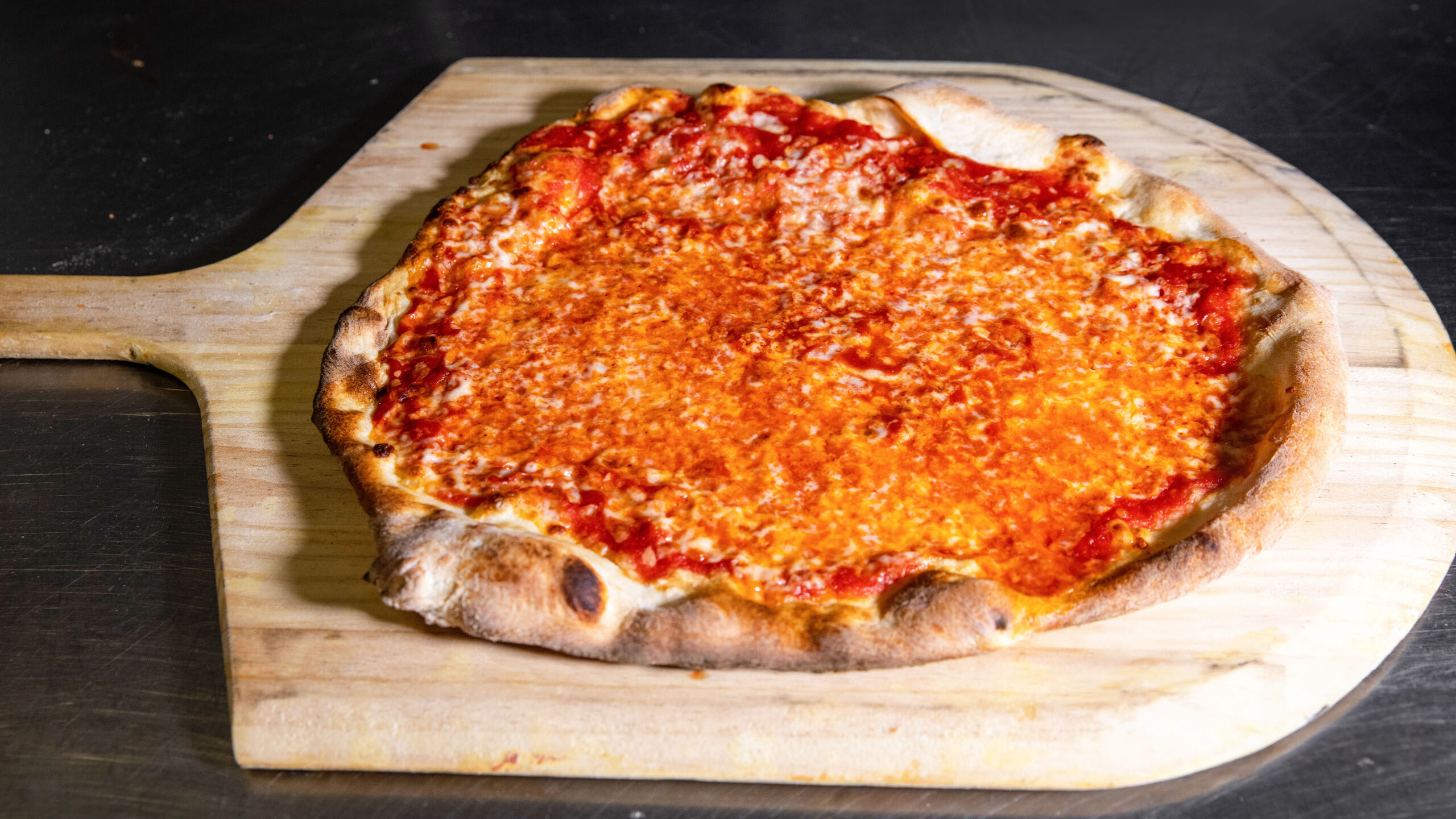
Game day food has one job above all else, it needs to disappear fast. Not because portions were too small, but because people keep reaching for one more slice while the score changes, the drinks sweat on the coffee table, and nobody wants to leave the room for a knife-and-fork meal. That is where Cheese Pizza quietly outperforms flashier options. It may not carry the bravado of overloaded meat toppings or the novelty of a white pie with truffle oil, but when the house is full and appetites are all over the map, plain cheese is rarely plain. It is strategic.
Hosts often learn this the hard way. They order a mix of specialty pizzas, assuming variety is the safest play, and by halftime the supreme has a few lonely slices left while the cheese boxes are wiped clean. Children grab it first. Adults circle back to it after trying everything else. Vegetarian guests know they are covered without having to ask a single question. Even picky eaters, who can derail a menu in seconds, settle in happily when a classic cheese pie lands on the table.
That reliability matters on game day because football food, basketball food, or any watch-party spread has to serve more than hunger. It has to support movement, conversation, and distraction. People are standing, sitting on the floor, drifting in and out of the kitchen, shouting at the screen, and balancing a plate on one knee. Cheese Pizza is easy to hold, easy to share, and forgiving if it sits out for a bit. A well-made pie still tastes good warm, room temperature, or reheated quickly between quarters.
The trick is not simply buying several pizzas and hoping for the best. A successful game day cheese pizza setup comes down to quantity, timing, texture, and a few thoughtful details that make one familiar dish feel generous rather than repetitive.
Why cheese works better than hosts sometimes expect
The beauty of cheese pizza is not that it is neutral. It is that it has broad appeal without feeling like a compromise. A balanced cheese pie has plenty going on when it is done right. The sauce adds sweetness and acidity. The mozzarella brings salt, richness, and stretch. The crust contributes chew, crunch, and structure. On a busy day, that balance turns into an advantage.
Toppings create strong opinions. Someone loves mushrooms, someone else picks them off. Pepperoni is popular until a guest avoids pork. Sausage sounds safe until a vegetarian arrives with a friend. Spicy pies can be excellent, but not everyone wants heat for an entire game. Cheese clears those hurdles. It makes the group feel considered without requiring a separate order for every preference.
There is also a practical side that seasoned hosts appreciate. Cheese pizza holds heat more evenly than heavily topped pizzas, which can steam the crust and turn a crisp base soft before it reaches the table. It also reheats better. If a pie needs ten minutes in the oven during halftime, a cheese slice comes back to life quickly, while a loaded pie often releases extra grease and ends up floppier than it started.
One of the best watch-party spreads I ever saw came from a host who had given up trying to impress people with obscure topping combinations. He ordered eight large pizzas for about twenty guests, and five were plain cheese. At first glance it looked overly cautious. By the end of the second quarter, those five boxes were empty, while the barbecue chicken and veggie pies still had takers. He was not aiming for culinary surprise. He was aiming for zero friction, and it worked.
How much cheese pizza to order without overthinking it
The old rule of thumb for party pizza, about two to three slices per person, is a decent starting point, but game day crowds rarely behave like textbook crowds. Some guests eat a proper lunch before arriving. Others treat the watch party as dinner. Teenagers and young adults can put away four slices without blinking, especially Cheese Pizza if kickoff overlaps with mealtime. If you are serving wings, dips, sliders, and dessert, pizza demand falls a bit. If pizza is the centerpiece, it rises.
For a typical mixed-age group, planning on roughly three slices per person Cheese Pizza is usually safe. If your crowd skews hungry and pizza-focused, move closer to four. That means a standard large pizza, usually cut into eight slices, serves about two to three serious eaters or three to four lighter eaters. The numbers are not exact because pizzeria sizes vary, but they are close enough to keep you from running short.
Cheese Pizza deserves a larger share of the order than many people instinctively give it. If you are getting six pies, making at least half of them cheese is a smart call. If you are hosting a crowd with kids, vegetarians, or several selective eaters, pushing that number a little higher is even smarter. Specialty pies can round out the spread, but they should not crowd out the dependable base layer.
There is one caveat. If your guests are deeply attached to a local pizza style where cheese is unusually rich, dense, or large, adjust portions downward. A thick Detroit-style square or a heavily cheesed Sicilian slice eats differently from a thin New York slice. Experience matters more than formulas. If your go-to place serves slices people fold in half, plan one way. If it serves bakery-like slabs, plan another.
The crust question matters more than the topping question
When people say they want Cheese Pizza, they are usually thinking about the topping. On game day, the crust may matter even more. Texture is what keeps guests coming back for another slice instead of abandoning half a piece on a paper plate.
Thin crust has obvious strengths for a watch party. It is easy to grab, less filling per slice, and often stays crisp longer under a layer of melted cheese. Guests who want “just a little something” often end up eating more of it because it feels lighter. It also lets you feed more people with the same number of pizzas.
Hand-tossed or standard crust tends to be the crowd favorite because it sits in the middle. It has enough body to stay satisfying, enough softness for kids and older guests, and enough structure to handle a dip or a shake of red pepper flakes without collapsing. If you are ordering for a broad group and do not know strong preferences, this is usually the safest lane.
Deep dish or pan-style cheese pizza can be fantastic, but it changes the rhythm of the party. People take fewer slices because each piece is a bigger commitment. That can be a plus if you are feeding a smaller group and want the meal to feel more substantial. It can be a drawback if you want constant, low-effort snacking while everyone stays planted near the television.
The smartest compromise for many hosts is to mix crust styles while keeping cheese as the unifying theme. A couple of thin-crust cheese pies and a couple of standard-crust cheese pies create variety without introducing topping drama. Guests feel choice, but you still preserve the wide appeal that makes cheese such a strong game day anchor.
Timing can rescue or ruin the whole spread
Pizza is forgiving, but not infinitely so. Order too early and it cools before the room fills up. Order too late and people start snacking aggressively on chips, then act full right when the main food arrives. The sweet spot depends on kickoff time, traffic, and whether your guests are punctual, but a little staging goes a long way.
For an afternoon game, having the first pizzas arrive about twenty to thirty minutes before kickoff usually works well. That gives early arrivals something substantial to eat without forcing you into an immediate feeding frenzy. It also leaves room for a second wave later if the event runs long or your group turns out hungrier than expected.
For larger gatherings, staggered delivery is often better than one giant drop. Even excellent pizza degrades when ten boxes sit stacked for an hour. Two smaller deliveries, one near kickoff and one sometime around halftime or the early third quarter, keep the quality noticeably better. They also create a natural refresh moment when people are ready for another slice.
If you are baking frozen or homemade pizzas instead of ordering out, avoid the temptation to cook everything at once. Rotate them in manageable batches. Slice and serve each pie immediately. A pizza on a board for five minutes draws more attention than a stack of cooling pies still boxed on the counter. People eat what looks fresh and available.
The oven itself can be a host’s best ally. A low setting, around 200 to 225 degrees Fahrenheit, can keep a pie warm briefly without doing too much damage, though crisp crusts will soften eventually. For better results, reheat slices directly on a sheet pan or pizza stone for a few minutes as needed. That small bit of attention can revive texture in a way a microwave never will.
Turning plain cheese into a flexible spread
Some hosts hear “cheese pizza” and worry the table will look monotonous. That only happens when the pizza is treated as the entire concept rather than the foundation. The better approach is to let the pies stay simple while the surrounding extras create movement and personalization.
A Parmesan shaker, a jar of red pepper flakes, hot honey, garlic powder, and a few dipping sauces can make one style of pizza feel like several. Ranch has a loyal audience, though not everyone wants it. Warm marinara is more universal. A basil pesto drizzle, served on the side rather than applied in advance, gives adults another option without changing the core appeal. The key is restraint. You are not trying to mask the cheese pizza. You are giving guests control over their own slice.
This is especially useful with mixed crowds. Kids can eat the pizza as-is. Spice lovers can add heat. Someone who wants a richer bite can dip the crust in garlic butter. A guest who avoids spicy foods entirely loses nothing. It is one of the simplest ways to make a single menu item feel hospitable.
There is also a smart visual angle here. A stack of pizza boxes reads as practical. A serving area with labeled seasonings, warm sauce, and a couple of thoughtful condiments reads as intentional. That difference matters if you want the food to feel planned rather than merely purchased.
Pairing sides without burying the pizza
A game day menu does not need twelve competing items. In fact, too much side food often reduces what people enjoy most. Since Cheese Pizza is rich, bready, and salty, the best companions usually add crunch, freshness, or a contrasting bite.
A crisp salad may sound too proper for a sports gathering, but a simple romaine salad with sharp vinaigrette does real work on a pizza-heavy table. So do raw vegetables with dip, pickles, or even a bowl of marinated peppers. Acid and crunch reset the palate and keep the meal from feeling heavy by the second hour.
If you want hot sides, think about pace. Wings, mozzarella sticks, and garlic knots are obvious partners, but they compete for the same appetite space. That is not always bad, but it can mean your carefully chosen pizzas get less attention. If cheese pizza is the star, choose just one hot side with similar comfort-food energy, then let cooler, lighter snacks fill the gaps.
Dessert is often overlooked on game day because people assume everyone will be too full. In practice, a simple tray of cookies or brownies near the end of the game is usually welcome, especially after a salty meal. The lesson is not to flood the table, but to build a meal with a little contrast and a clear center of gravity.
Serving for a crowd without creating a bottleneck
The logistics of pizza service rarely get much attention, but they shape the guest experience more than most decorative touches. A stack of boxes in the kitchen seems efficient until everyone crowds around the island at once, blocking the drinks and creating a traffic jam right when the game gets interesting.
If space allows, set pizza in one dedicated area and drinks in another. Even a few feet of separation helps. Open boxes fully or transfer slices to sheet pans or boards so guests can see what is available. Keep napkins and plates nearby, because people who have to hunt for basics tend to take more than they need once they finally get to the food.
Cut size also matters. If you have control over slicing, slightly smaller slices can be a gift on game day. Guests are more likely to try one, then come back for another, which reduces waste and lets everyone sample more than one crust style or side. Large, floppy slices look generous, but they often end up half-eaten when distractions pull people away.
A host who wants to look prepared should also think about garbage early. Pizza boxes, paper plates, cans, and napkins pile up fast. One visible trash can and one recycling bin save you from a mountain of clutter by halftime. It is not glamorous advice, but experienced hosts know that small service choices decide whether the room feels relaxed or chaotic.
Homemade cheese pizza can absolutely work, with limits
Making Cheese Pizza from scratch for game day is one of those ideas that sounds either wonderfully ambitious or deeply misguided, depending on the size of the guest list. The truth sits in the middle. For a small group, homemade can be outstanding. For a big crowd, it only works if you have a tested system.
The advantage of homemade is control. You can tune the sauce, choose better mozzarella, and bake exactly to your preferred level of browning. A well-fermented dough and quality cheese produce a pie that reminds people how satisfying a simple pizza can be. On a quieter game night with six to eight people, this can turn dinner into part of the entertainment.
The problem is throughput. Most home ovens cannot produce multiple pizzas at pizzeria speed. By the time the third or fourth pie comes out, the first is cooling and the kitchen is pulling the host away from the party. That may be fine if your friends like hovering near the oven and talking while you cook. It is less fine if you are trying to watch the game and keep everyone fed on the same schedule.
A workable middle path is to prep dough ahead, par-bake crusts, or make one signature homemade cheese pizza while supplementing with a trusted delivery order. That gives the table some personal flair without turning the host into a short-order cook all afternoon.
A few upgrades that actually matter
People love the idea of elevating game day food, but not every upgrade earns its keep. With Cheese Pizza, the improvements that matter most are usually basic. Better cheese matters. Proper reheating matters. Fresh herbs, used lightly, matter. Fancy finishing oils or imported toppings can be pleasant, but they are not what people remember.
If you are ordering out, ask for well-done if your local shop tends to underbake. That one request often improves texture dramatically, especially for cheese pies that can otherwise arrive pale in the center. If you are buying frozen, bake directly on the oven rack or a preheated stone when the instructions allow. Crispness is half the battle.
Fresh basil can make a plain cheese pizza feel sharper and more aromatic, but add it after baking so it stays bright. A little grated Parmigiano-Reggiano at the table gives guests a nutty, salty finish without overwhelming the pie. Hot honey is excellent for people who want sweet heat, but keep it optional and on the side. A host’s judgment shows in those choices. The food feels considered, yet nobody is forced into a flavor they did not ask for.
One upgrade I have seen work especially well is serving a mix of mozzarella styles across several cheese pizzas. A classic low-moisture mozzarella pie gives that familiar stretchy, browned top. A second pie with some fresh mozzarella offers softer pockets and a lighter feel. Both are still firmly in the cheese category, but the textural difference keeps the spread interesting.
Reading the room, because every crowd eats differently
The best game day hosts pay attention to personalities as much as appetites. A family-heavy gathering behaves differently from an office watch party. A group that cares intensely about the game may prefer food that can be grabbed during commercials. A more social crowd may drift to the table often and appreciate a menu that rewards grazing over several hours.
Cheese Pizza is strong because it adapts to all of those rooms. Still, adaptation is not the same as autopilot. If your guests are the type who show up with homemade chili, seven-layer dip, and their own dessert tray, do not order an avalanche of pizza. If they tend to arrive empty-handed and hungry, give yourself extra margin. If children will dominate the table early, set aside a pie or two before adults start free-for-all grazing. Those small interventions can keep the event feeling abundant instead of scarce.
There is also no shame in leftovers. In fact, with cheese pizza, leftovers are almost a benefit. Cold or reheated slices the next morning are part of the appeal. Running out, on the other hand, creates a mood that no host enjoys. If you are deciding between barely enough and a little extra, the extra cheese pizza is usually the wiser bet.
The quiet confidence of getting the simple thing right
A memorable game day spread does not always come from complexity. Sometimes it comes from choosing the food people genuinely want, then serving it at the right moment, in the right quantity, with enough care to make a familiar favorite feel especially welcome. Cheese Pizza does that better than almost any other party food.
It works because it invites everyone in. It asks very little of the guest. No negotiations over toppings, no confusion about who can eat what, no need for a hard sell. A hot slice of cheese on a busy afternoon feels generous, uncomplicated, and exactly suited to the occasion. Add thoughtful timing, a smart mix of crusts, and a few optional extras, and you have a game day plan that pleases a room full of very different eaters.
That is why seasoned hosts keep coming back to it. Not because it is the most dramatic choice, but because it is the one that keeps proving itself once the doorbell rings, the game starts, and everybody reaches for the same box first.
Brooklyn Pizza
1647 Arapahoe Ave
Boulder, CO 80302
+1 720-328-2324
FAQ About Cheese Pizza
What type of cheese is used on a cheese pizza in Boulder, CO?
The cheese varies by pizzeria. Brooklyn Pizza uses whole-milk mozzarella made in-house on its standard pies and offers a plant-based cheese option for vegan pizza. Ask the shop directly about ingredients if you have a dietary restriction.
How many slices are in a large pizza in Boulder, CO?
Slice count depends on how the shop cuts the pie. Brooklyn Pizza lists a 16-inch large pizza. If you are ordering for a group, call to confirm the number of slices or ask whether a smaller cut is available.
What is New York style pizza in Boulder, CO?
New York-style pizza usually has a thin crust and wide slices that can be folded. A classic cheese slice pairs tomato sauce with mozzarella. Brooklyn Pizza serves New York-style pizza by the slice and as whole pies.